

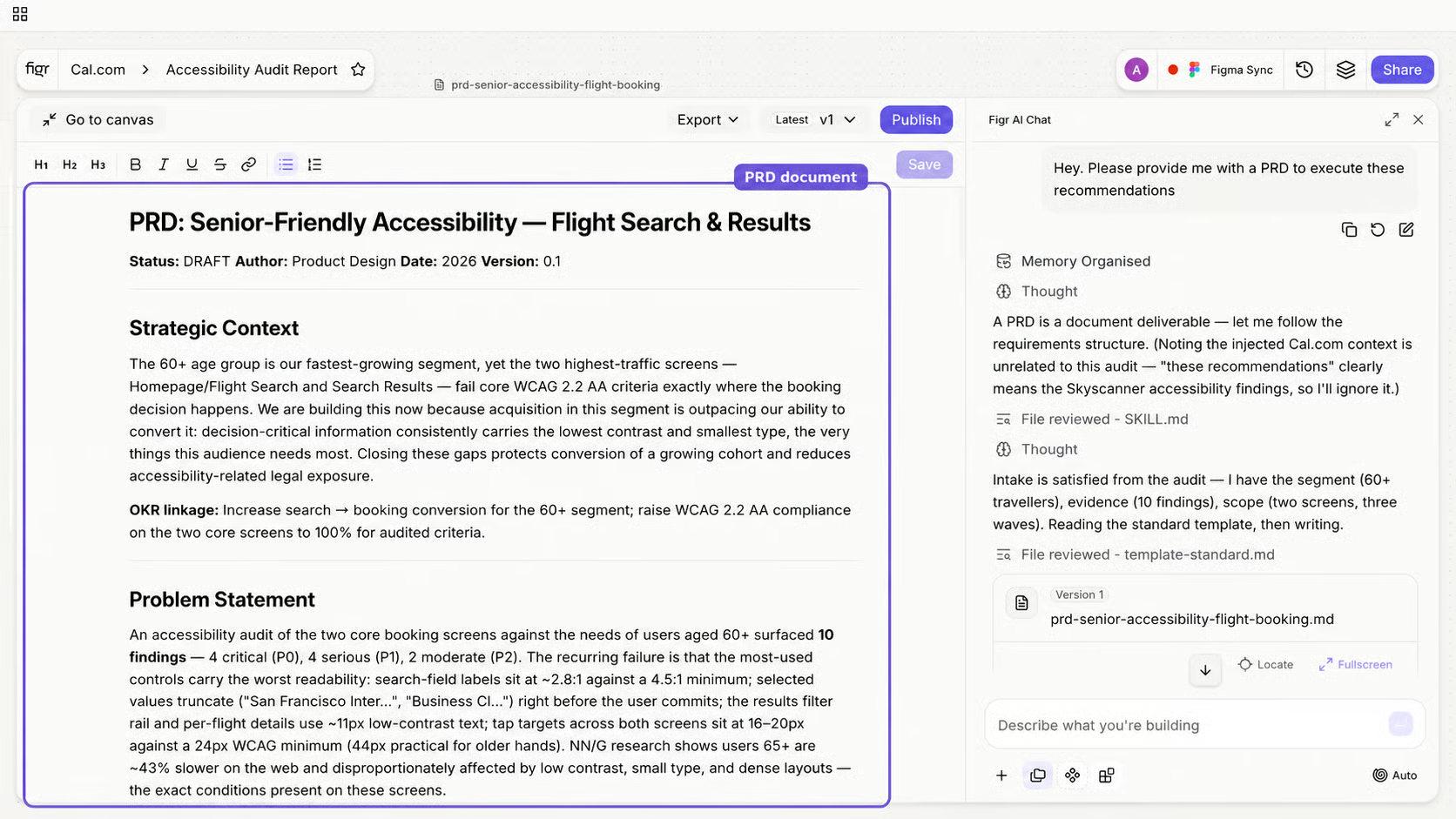
 From a single problem, Figr can produce:
- PRD and requirements
- User stories and acceptance criteria
- Edge case maps and key states
- Test cases
- User flow
- What you want to improve
- Who it is for
- Which constraints matter
- Which product context Figr should use Then ask for the first artifact:
- “Turn this rough product problem into a structured PRD. Use the attached product context, existing screens, design system, analytics notes, and previous decisions, then flag missing requirements and edge cases.” From there, generate the rest of the chain: user stories, acceptance criteria, test cases, a user flow, key states, and a prototype. The PRD should not sit alone in a doc. It is the base for your UX work, and the chain stays live: if the flow reveals a missing state, update the PRD; if the prototype exposes a confusing interaction, update the flow.